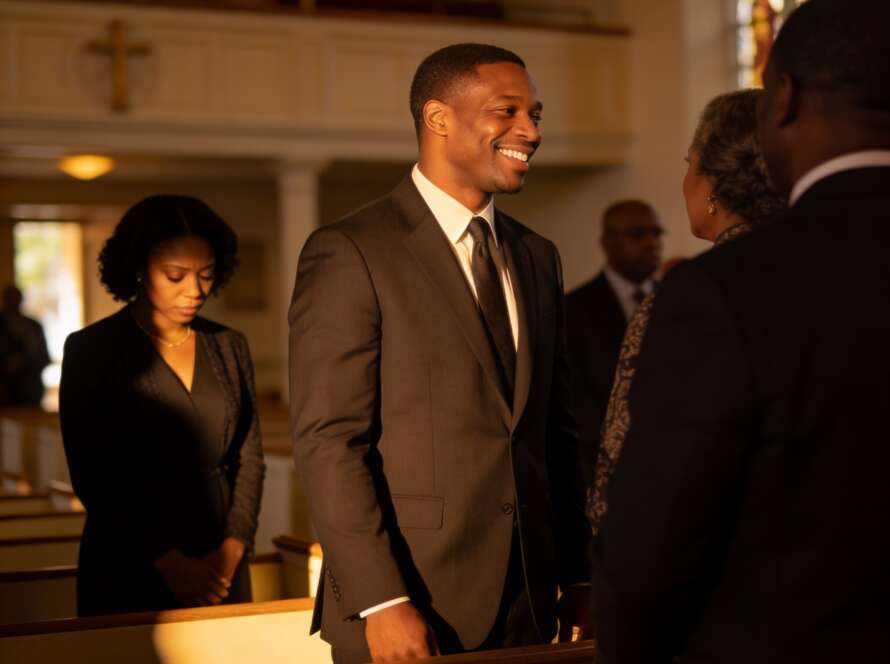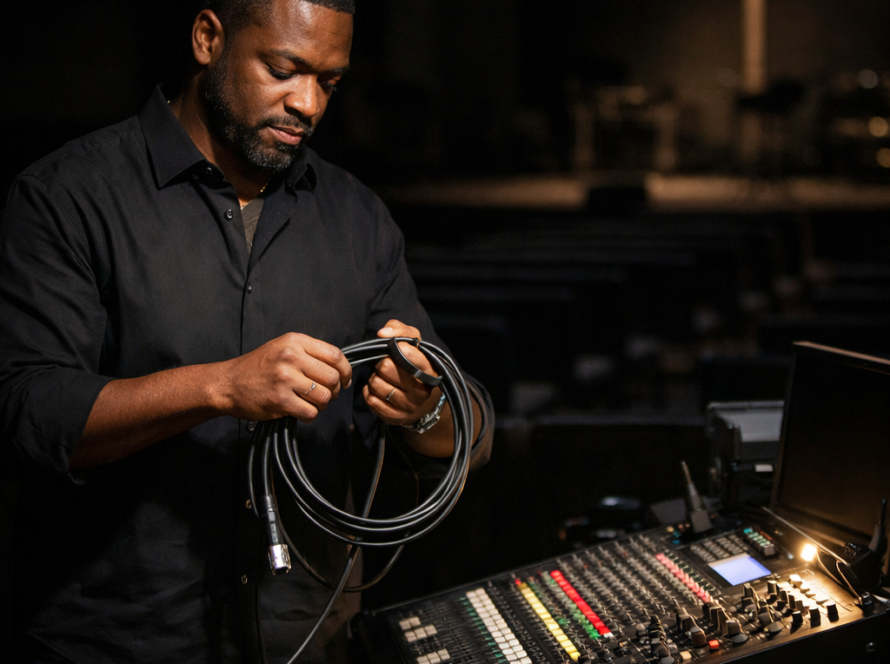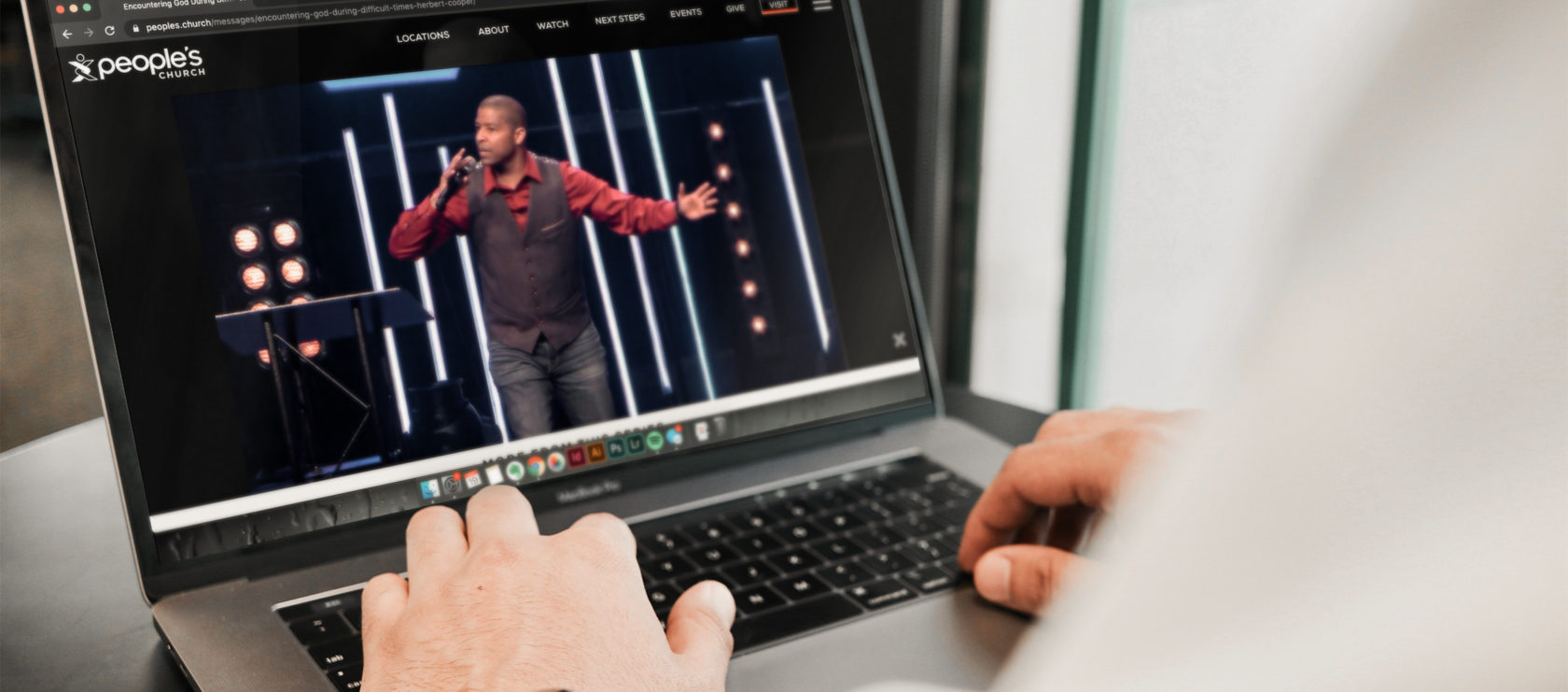
The sanctuary of Greater Hope Fellowship in 2026 looks vastly different than it did in 2006. Twenty years ago, the wooden pews were packed shoulder-to-shoulder, the air thick with the scent of peppermints, perfume, and the palpable, vibrating energy of a community that relied on this building for everything. Back then, the Black church was not just a place of worship; it was the town hall, the therapist’s couch, the networking hub, and the safest haven in a complicated world.
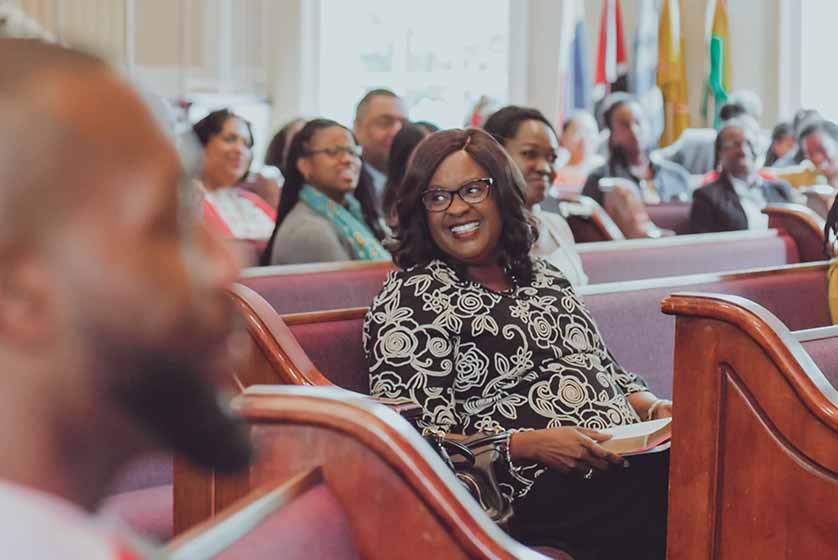
Today, as the countdown clock on the massive LED screens ticks down to the start of the 2026 Sunday broadcast, the physical room is only half full. Yet, the digital counter in the corner of the screen shows three thousand people tuning in from their living rooms, cars, and kitchen tables across the country.
The story of the Black church over the last two decades is not a simple tale of decline, but rather a complex narrative of profound transformation. Has it gotten better or worse for believers? The answer depends entirely on who you ask.
The Shift in the Pulpit: From Shepherd to CEO
If you ask Mother Evelyn, who has sat in the third row since 1998, something vital has been lost. Twenty years ago, preaching in the Black church was an immersive, soul-stirring experience. Sermons were deeply theological, steeped in the rich tradition of call-and-response, and often culminated in a fiery, musical crescendo that left the congregation feeling spiritually purged. The pastor was a shepherd—someone who knew your name, visited your sick mother in the hospital, and mediated family disputes.
By 2026, the teaching and preaching have noticeably shifted. The modern sermon often resembles a polished TED Talk. The fiery rhetoric has been largely replaced by practical, topical series focusing on leadership, emotional intelligence, and financial literacy. While the prosperity gospel of the early 2000s has somewhat faded, it has been replaced by a “therapeutic gospel.”
Many believers feel that pastors have drifted away from the nurturing, hands-on care they were once charged with. The demands of running a modern, hybrid church have turned many pastors into CEOs and digital influencers. They are managing production teams, social media algorithms, and multi-campus logistics. As a result, the intimate pastoral care of the past has been delegated to care teams or outsourced entirely, leaving some older congregants feeling abandoned by the very leaders they helped elevate.
The Exodus: “Spiritual But Not Religious”
Perhaps the most striking difference in 2026 is the empty space in the pews where the Millennials and Gen Z used to sit. Mother Evelyn’s grandson, Marcus, is part of a growing demographic. He loves God, prays daily, and advocates for social justice, but he hasn’t stepped foot in Greater Hope in four years.
Studies from organizations like the Pew Research Center and the Barna Group have tracked this exodus meticulously. Data in the mid-2020s shows a sharp acceleration in the number of Black Americans identifying as “Nones”—people who are religiously unaffiliated. However, unlike other demographics, Black “Nones” rarely identify as atheists. Instead, they declare a profound spiritual connection to God outside the four walls of the church.
Why did they leave? Studies point to a few key factors. Many younger believers withdrew because they felt the traditional church was too slow to address systemic social justice issues, too rigid in its patriarchal structures, or too focused on institutional preservation and tithes rather than community impact. They traded Sunday morning service for Sunday morning hikes, meditation apps, and small, informal spiritual gatherings in coffee shops. They found God in the community, rather than the institution.
The Positives: A Healthier, Wider Reach
Yet, to say the church is dying would be a mistake; it is simply evolving, and 2026 brings several distinct positives.
First, the destigmatization of mental health is a massive triumph. Twenty years ago, depression or anxiety in the Black church was often met with the directive to “just pray it away.” Today, pastors openly discuss therapy from the pulpit. Churches host mental health professionals, and the integration of psychological wellness with spiritual faith has saved countless lives.
Secondly, the digital revolution—forced upon the church by the pandemic of 2020 and perfected by 2026—has democratized access to the Word. A single mother working a Sunday shift can now stream her favorite choir on her lunch break. The Black church’s reach is now global, connecting the diaspora in ways that were impossible in 2006.
Furthermore, the modern church is slowly becoming more inclusive. The rigid, sometimes toxic traditions of the past are being dismantled by a new generation of leaders who prioritize grace over legalism.
The Negatives: The Loss of the Village
But the negatives are equally stark. The physical withdrawal from worship services has led to an epidemic of isolation. The Black church historically functioned as a “village.” It was where generations mingled, where elders passed down wisdom to the youth, and where a collective resilience was forged. The digital church, for all its convenience, cannot replicate the warmth of a physical embrace during the passing of the peace, or the collective harmony of voices singing together in a shared room.
Furthermore, the consumer-driven nature of modern faith means believers often “church hop” online, listening to a sermon from Atlanta, a choir from Chicago, and a prayer from Dallas. This creates a customized, comfortable spirituality, but it lacks the accountability and deep discipleship that comes from committing to a local body of flawed, real people.
A New Era
As the service at Greater Hope Fellowship concludes in 2026, the pastor looks into the camera lens to bless the thousands online, before stepping down to shake the hands of the few hundred in the room.
Has it gotten better or worse? It is a paradox. The Black church today is more accessible, more mentally healthy, and more practically focused than it was twenty years ago. Yet, it is also more fragmented, more corporate, and less central to the daily physical lives of its people.
The believers of 2026 are navigating a brave new world. They are proving that while the institution of the church is undergoing a painful, necessary pruning, the deep, resilient spirit of Black faith—whether found in a mega-church sanctuary, a digital chatroom, or a quiet moment of prayer in nature—remains as unbreakable as ever.